
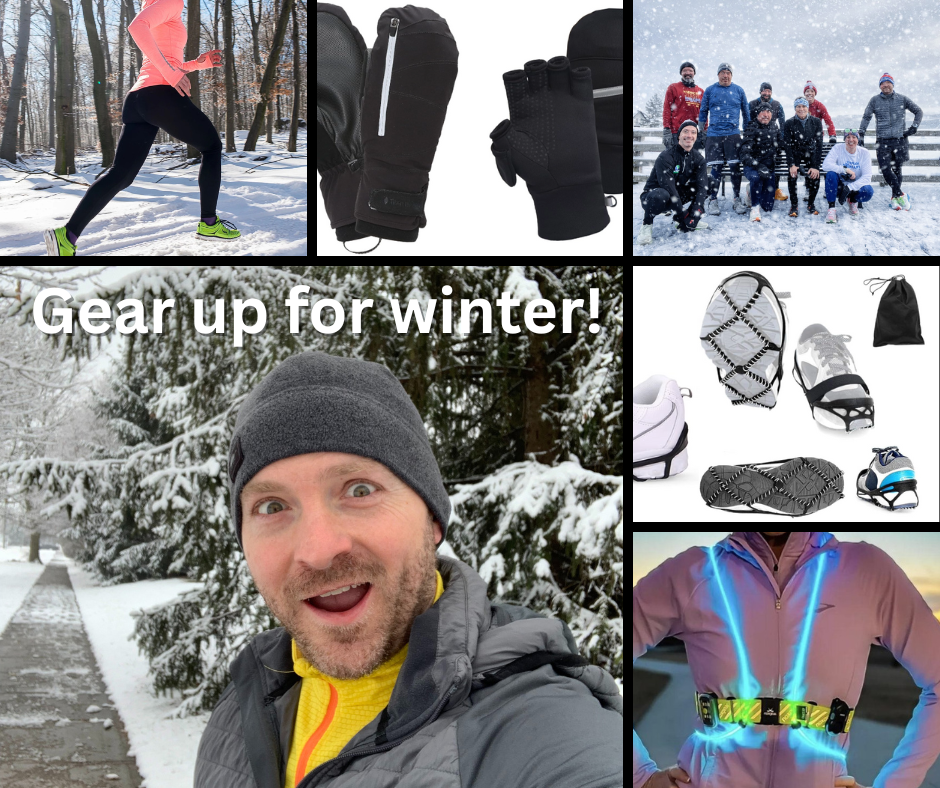
From a Midwest running coach
If you run through Midwest winters, you already know the truth: cold-weather running isn’t just about toughness, it’s about strategy. Temperatures swing, wind bites, sidewalks freeze, and overdressing can ruin an otherwise great run. Whether you’re a newer runner or someone training year-round, dressing correctly is one of the biggest factors in staying consistent through winter.
As a running coach who trains (and runs) in real Midwest cold, here’s how I help runners stay warm without overheating, using smart layers and the right gear for snow and ice.
The Golden Rule: Dress for 10–20° Warmer Than It Is
A simple guideline that works: dress like it’s 10–20°F warmer than the actual temperature.
You should feel slightly cold (uncomfortable) when you step outside. If you’re cozy at the start, you’ll overheat. Your body warms quickly when running.
Layering 101: The Smart Way to Stay Warm
1. Base Layer (Your Most Important Layer)
This layer sits against your skin and manages sweat.
What to look for:
- Moisture-wicking fabric
- Snug but comfortable fit
- Long sleeves once temps drop below ~40°F
Avoid cotton. Wet cotton equals cold fast.
2. Mid Layer (Optional Insulation)
This is where you add warmth, but only if you need it.
Great options:
- Lightweight fleece or thermal long sleeve
- Quarter-zip so you can vent heat
- Thin enough to tie around your waist if you overheat
Most runners don’t need a mid layer unless temps are below freezing or the wind chill is brutal.
3. Outer Layer (Wind & Weather Protection)
This layer blocks wind, snow, and sleet—not heat.
Look for:
- Wind-resistant or wind-proof front panel
- Breathable back or vents
- Water resistance (not full waterproof, which traps heat)
A light shell often beats a thick jacket.
Bottoms: Tights, Not Sweatpants
Running tights keep muscles warm without bulk or drag.
General guideline:
- 30–45°F: Standard running tights
- 15–30°F: Thermal or fleece-lined tights
- Below 15°F: Add wind-blocking panels or double layers
If it’s windy, wind-blocking thighs can make a huge difference.
Don’t Forget the Small Stuff (It Matters More Than You Think)
Head & Neck
- Lightweight beanie or ear warmer
- Neck gaiter or buff (huge for wind and breath warmth)
You lose a lot of heat through your head, just like your mom told you a million times.
Hands
Cold hands can end a run early.
Tips:
- Gloves above ~30°F
- Mittens below freezing
- Wind-resistant shells help more than extra thickness
Pro tip: If your hands always freeze, mittens beat gloves every time.
Feet & Socks
- Wool or thermal running socks
- Avoid thick socks that cramp your shoe
- Cold feet = miserable miles
Running in Snow and Ice: Safety First
Shoes & Traction
You don’t need special “snow running shoes,” but traction helps.
Options:
- Shoes with aggressive tread
- Removable traction devices for icy days
If it’s solid ice everywhere, don’t force it—treadmill or strength work is still training.
Shorten Your Stride
On slick surfaces:
- Take quicker, shorter steps
- Keep your center of gravity under you
- Slow down—this is not the day for speed work
Midwest Reality Check: Wind Chill Changes Everything
Midwest winters aren’t just cold—they’re windy. A 20°F day with a strong wind can feel brutal.
On windy days:
- Prioritize wind-blocking layers
- Cover exposed skin
- Choose routes with buildings or trees if possible
Final Advice from the Coach: Be Flexible
Cold-weather running isn’t about perfection, it’s about adaptation.
- Some days you’ll overdress—learn and adjust
- Some days you’ll underdress—still a win for getting out
- Keep notes on what works at different temperatures (I’m really bad at this)
Consistency beats comfort, and smart layering makes consistency possible.
Winter miles build resilience, strength, and confidence. When spring arrives, you’ll feel it.
Stay up to date by subscribing to the newsletter. You’ll get all kinds of helpful training tips, training plans, workouts synced to your Garmin or Apple devices, and a whole lot more.